Pressure on water resources in Italy is not a future threat: it is a present reality that demands concrete responses. Prolonged droughts, growing demand, and aging distribution networks force water managers to make faster, more informed decisions with a smaller margin of error.
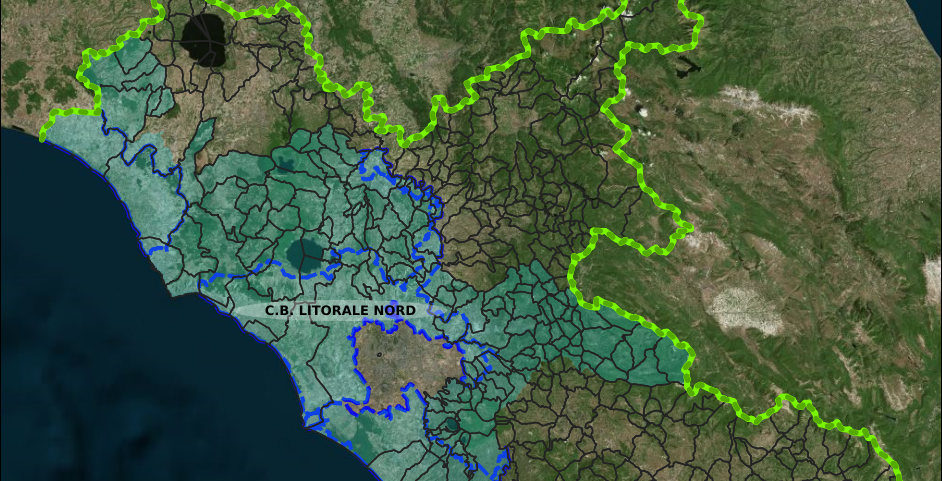
In this scenario, the Consorzio di Bonifica Litorale Nord — the public entity responsible for the hydraulic management of a vast territory between Rome, Tarquinia, and Ardea, covering a total area of 627,900 hectares — has chosen a clear path: digitizing the network and placing data at the heart of every decision.
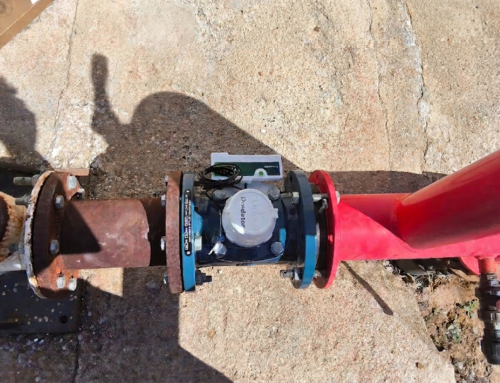
The project, developed alongside Hidroconta, has deployed an advanced technological infrastructure:
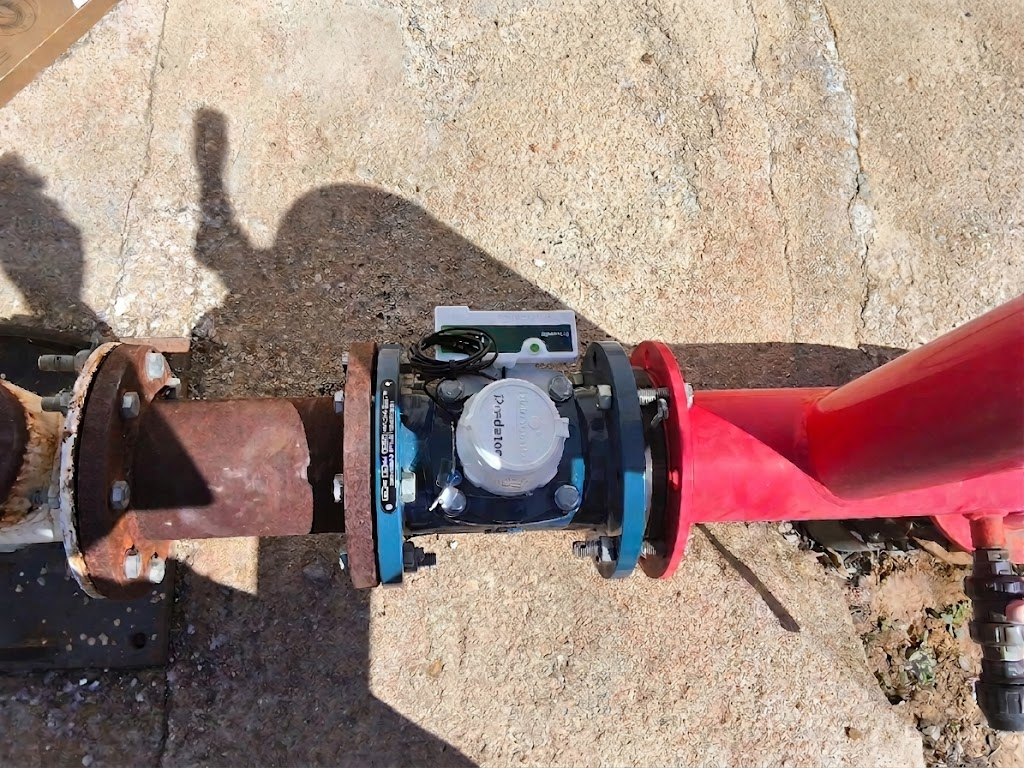
300 IRIS MODULES
Universal remote reading for immediate digitalization of existing mechanical water meters.
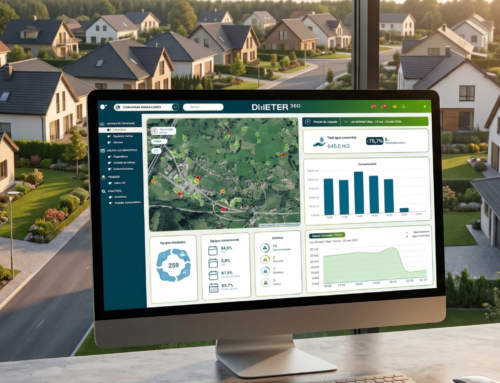
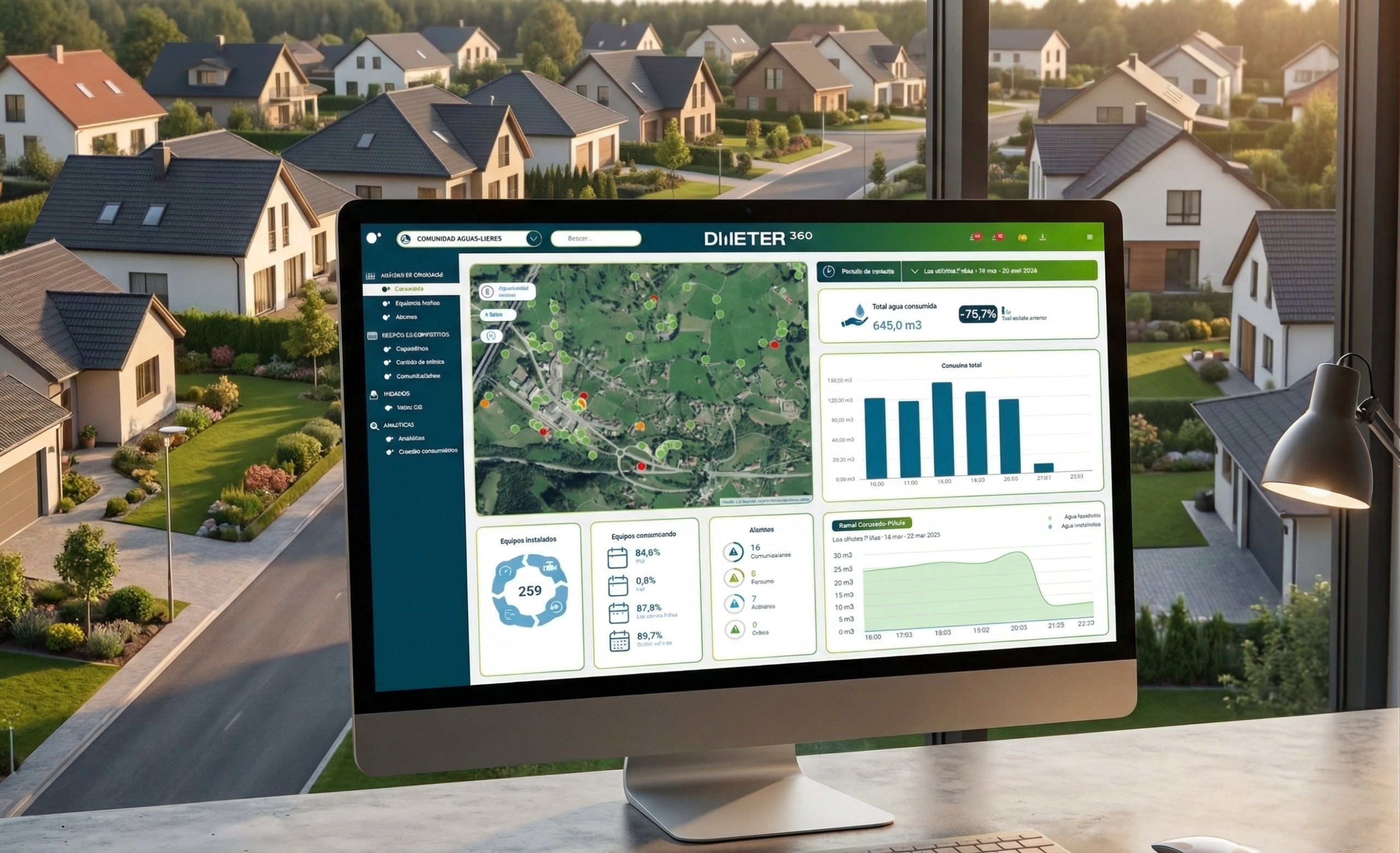
Demeter 360
Comprehensive asset management and real-time monitoring to optimize hydraulic performance.
CURATOR SOFTWARE
Predictive data analysis to anticipate maintenance needs and reduce non-revenue water (NRW).
In the words of Dott. Andrea Renna, General Manager
“In recent years, managing water resources has become an increasingly complex and strategic challenge for our territory. Climate change, growing demand, and the need to reduce waste require a new approach today, based on innovation and control capabilities.
In this context, the Consorzio di Bonifica Litorale Nord has undertaken a concrete process of technological transformation. Over the last two years, we have carried out a significant modernization of the irrigation network, introducing a new generation of sensors for remote measurement of delivered volumes. Among the solutions adopted, a central role is played by HIDROCONTA’S IRIS modules, advanced remote reading systems that now guarantee more practical, reliable, and efficient consumption management.
IRIS modules allow for continuous and precise remote recording of user consumption, overcoming the limitations of manual readings and ensuring a constant flow of updated data. This translates into greater operational simplicity, but also into much more precise and timely knowledge of what is happening along the network.
The collected data is transmitted to the DemeterWeb and Demeter360 platforms, providing a complete, real-time view of consumption and system performance. It’s not just about monitoring: these platforms offer advanced control tools and, crucially, alert systems capable of promptly reporting anomalies, faults, or critical issues.
Furthermore, the open architecture of the IRIS modules and DemeterWeb platforms allows for easy data export to advanced analysis systems like CURATOR, enabling the development of predictive models and advanced decision-support tools. This approach allows for rapid and effective intervention, improving the overall efficiency of the network and reducing waste. Today, we can rely on tools that are simple to use but extremely powerful, capable of transforming water management into a continuous, conscious, and data-driven process.
As General Manager of the Consorzio di Bonifica Litorale Nord, I express great satisfaction with the path we have taken. The investment in Hidroconta sensors and IRIS modules has been a concrete and forward-looking choice, making our network more modern, more controllable, and more efficient. The water challenge is addressed with concrete solutions: we chose to start with the quality of the tools.”
Conclusion: Towards Resilient and Data-Driven Water Management
The case of Consorzio di Bonifica Litorale Nord demonstrates that the transition to smart water management does not require starting from scratch: it requires the right tools. With 300 IRIS units installed and the CURATOR system offering measurable results, this pilot project sets the course for more resilient water management across the entire region.