Projects · PERTE Water Digitalisation
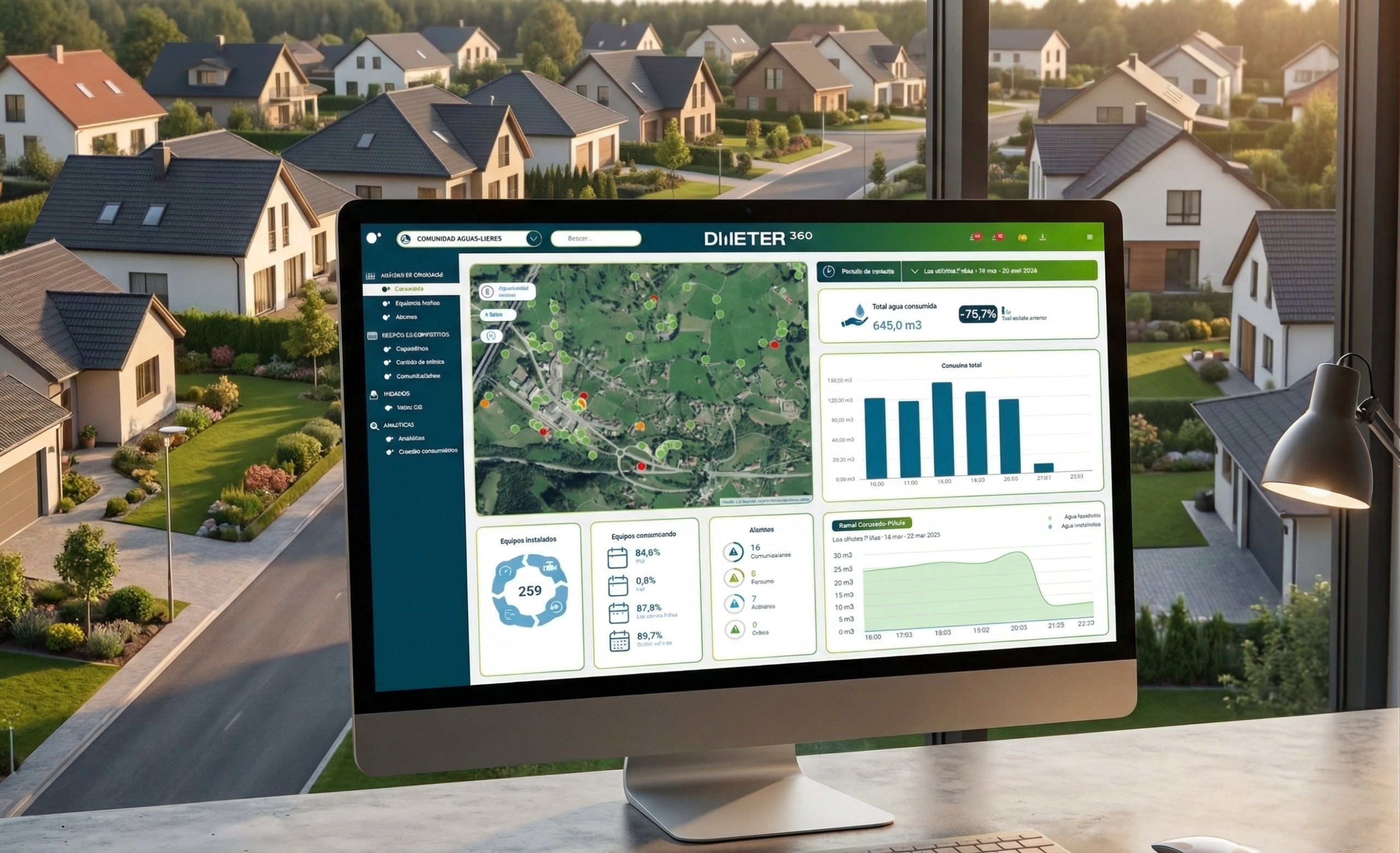
1,200 Predator meters with IRIS remote reading, 100 soil moisture probes on farms and a network of level sensors along the canal: this is how this irrigation community in the Granada Altiplano has digitalised its network, together with Hidroconta and Moval Agroingeniería.
A benchmark territory in the Granada Altiplano
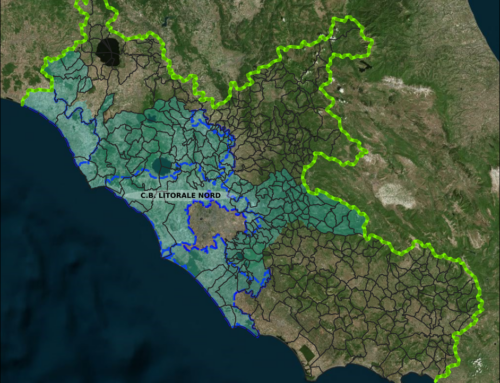
In the Altiplano of Granada, across the municipalities of Baza, Benamaurel, Cúllar and Zújar, the Canal de Jabalcón Irrigation Community manages 4,537 hectares of irrigable land that support around 660 members.
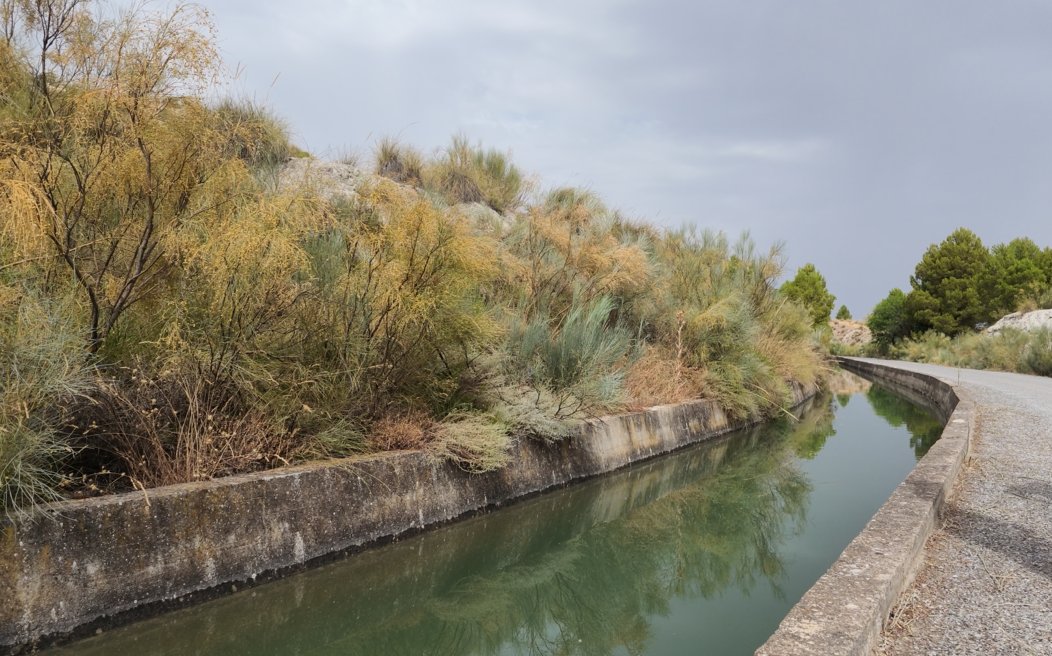
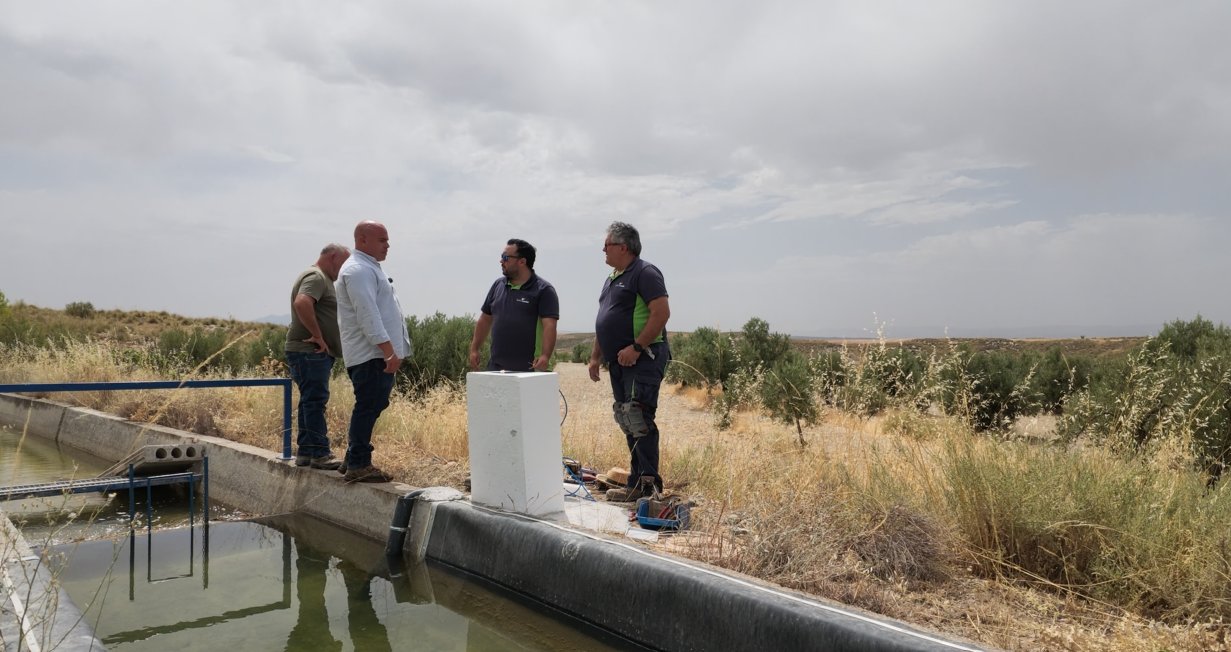
The water's journey to the plots is as simple to explain as it is complex to manage: from the Negratín reservoir, the water is lifted by a pumping station to the Canal de Jabalcón, a 30-kilometre infrastructure from which it is distributed to the farms through 33 irrigation outlets.
Its crop map reflects the productive diversity of one of the most dynamic farming areas in south-eastern Spain:
Crop distribution
The entire area is already 100% irrigated with localised drip systems, a long-standing commitment to efficiency that places the Community among the most advanced in the Guadalquivir basin in terms of irrigation infrastructure modernisation.
Established as a public-law corporation under the Guadalquivir River Basin Authority, the Community has spent almost three decades managing this shared resource among hundreds of family and professional farms. And with an added responsibility: guaranteeing a fair distribution of water in an area where water scarcity is increasingly a structural, rather than a merely temporary, factor.
From traditional irrigation to smart irrigation
For decades, managing infrastructure of this scale —33 outlets, dozens of kilometres of network and hundreds of supply points— relied on manual processes: on-site meter readings, consumption estimates and communication with members based on paper and trips to the offices.
This model, valid for years, was beginning to show its limits in the face of the sector's new challenges: making the most of every litre available, ensuring traceability in water allocation and responding to the growing demand from members to access their information instantly.
The answer came from Spain's Recovery, Transformation and Resilience Plan, through the PERTE for the Digitalisation of the Water Cycle, which since 2023 has been channelling grants from the Ministry for the Ecological Transition and the Demographic Challenge to irrigation user communities across Spain. Canal de Jabalcón seized the opportunity and was awarded funding in both calls.
funded by the Ministry (NextGenerationEU funds) out of a total budget of €742,805.34.
in additional grants to consolidate the digitalisation. Currently nearing completion.
Phase I: the digital foundations
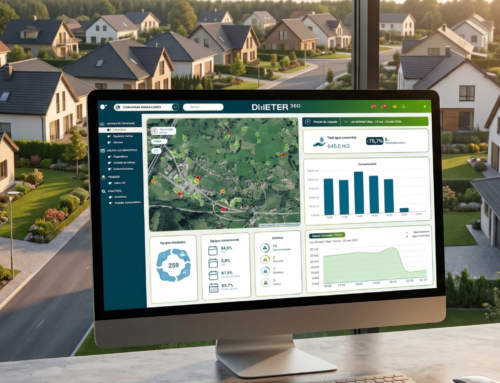
With this first investment package, Canal de Jabalcón focused on laying the foundations of its digital transformation: a new website, the launch of an e-office accessible with a digital certificate, the implementation of a whistleblowing channel as an internal reporting system, and the deployment of the first digitalisation solutions for its hydraulic infrastructure. Among them, a GIS map viewer that provides access to the complete mapping of the irrigable area and the distribution network.
These actions, apparently administrative, had a far more ambitious underlying goal: to provide the Community with a platform on which to build, in successive phases, the real digitalisation of water metering and control in the field.
Phase II: the technological leap
The second call has deepened the digitalisation of the hydraulic infrastructure and improved the management tools available to both the Community's technical staff and its members, who can now consult their member information through the User Portal: invoices, personal details or irrigable area, among others.
Across both phases, and together with Hidroconta and Moval Agroingeniería, Canal de Jabalcón has carried out a complete renewal of its metering and control equipment:
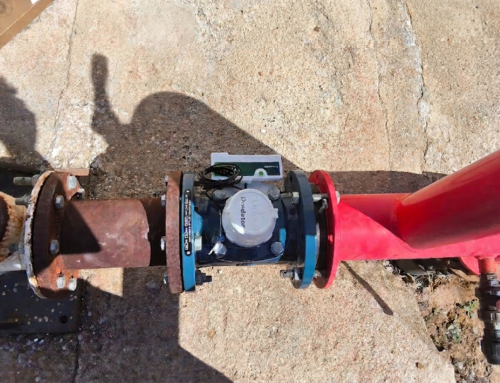
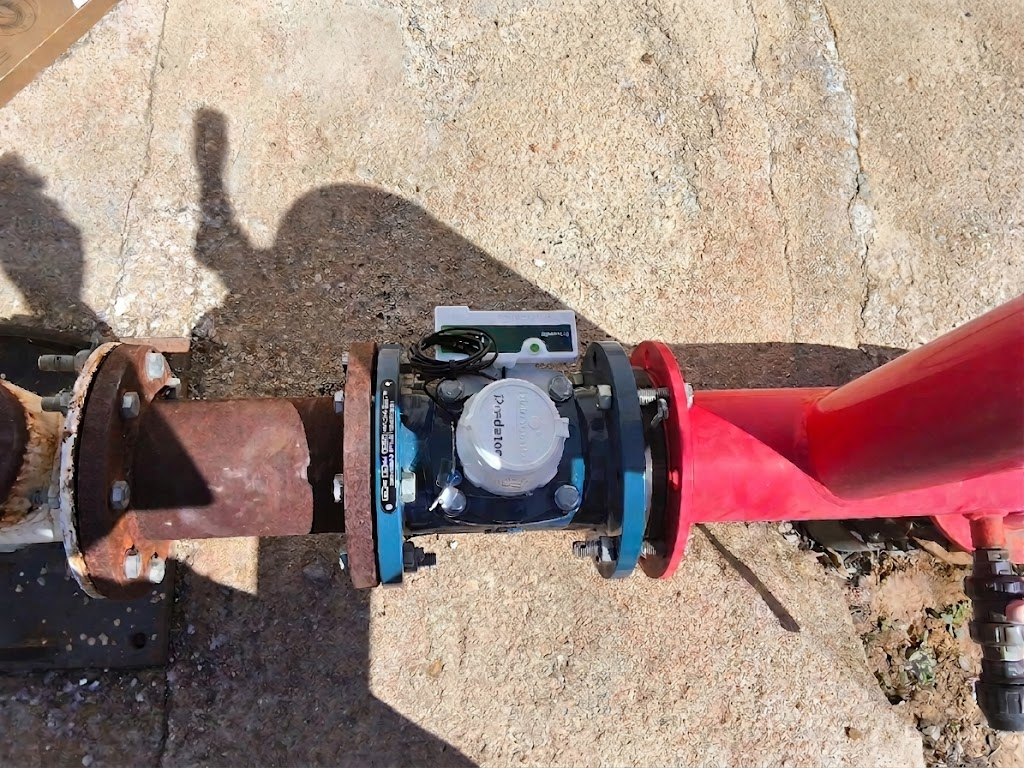
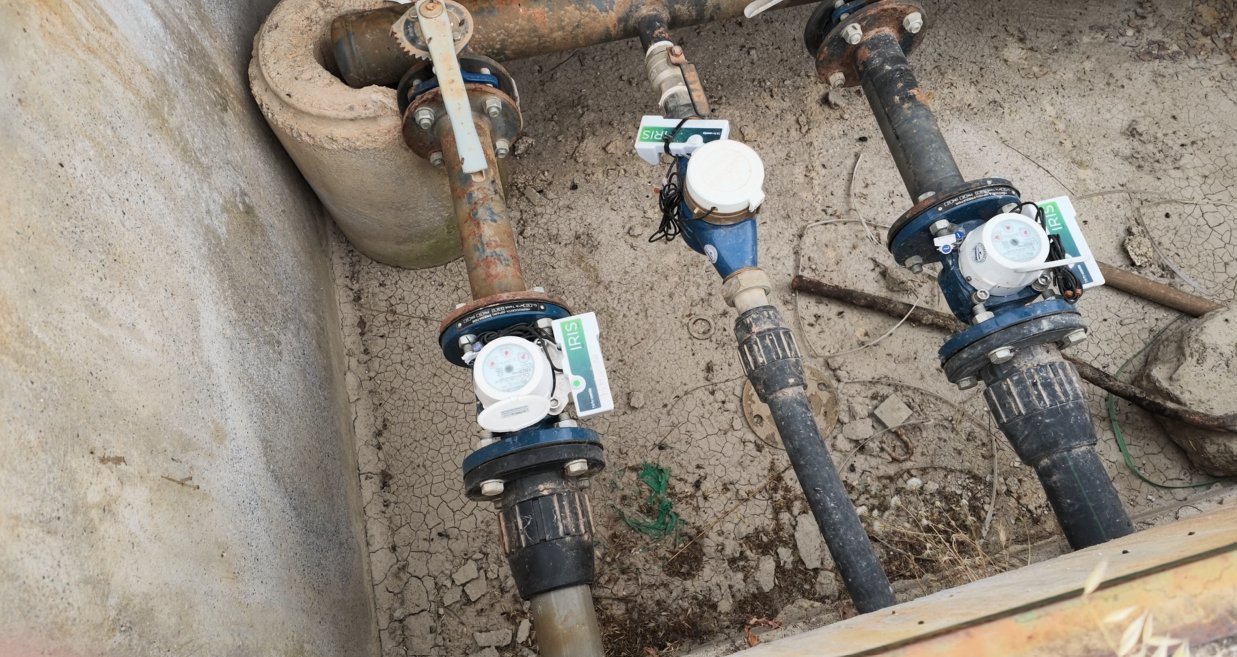
- 1,200 analogue meters replaced with Predator mechanical meters fitted with the IRIS communication module for remote reading.
- 100 soil moisture probes installed on members' farms.
- A network of level sensors deployed along the entire length of the canal.
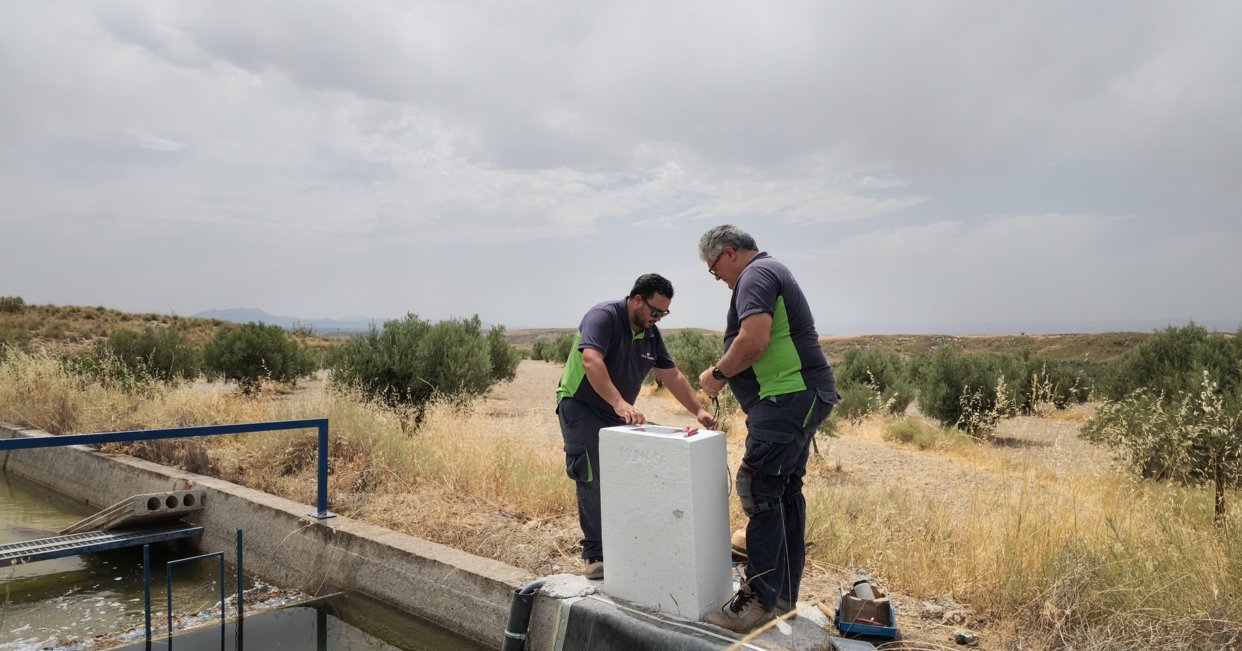
Together, this equipment provides real-time insight into both the water available in the canal and the actual water needs of each plot. It also streamlines the daily work of the water operators, who no longer depend solely on visual inspection and physically walking the network to make decisions.
The Community has moved from in-person, paper-based management to a model supported by an e-office, digital mapping and remote control of its assets.
Without losing sight of the fact that the ultimate goal of all this investment remains the same one that has always guided irrigation communities: distributing the available water as fairly and efficiently as possible.
Smart metering, the key link
No irrigation digitalisation strategy is complete without addressing the most critical link in the chain: measuring the water that actually reaches each plot. In this field, Hidroconta —a manufacturer based in Murcia with over forty years of experience in water meters, valves and remote control and remote reading solutions— has worked hand in hand with Moval Agroingeniería, responsible for the project's technical design, to shape the field works of both phases.
The core of the renewal has been the Predator meter, Hidroconta's large-diameter mechanical model designed for demanding agricultural use. It is the IRIS module, fitted to each unit, that turns it into a remote reading device: it gives the meter remote connectivity and sends readings and alarms without the need for site visits. It is available in different technologies —NB-IoT, LoRaWAN and even multi-protocol versions— to adapt to the actual coverage of a rural area with complex terrain such as the Granada Altiplano.
Three layers of information, one single view
Combining these three layers is what turns data into decisions: it improves overall water resource management and makes the water operators' work much easier, as they can prioritise their rounds and interventions based on objective data.
Tangible benefits for members
For the 660 members of Canal de Jabalcón, this transformation translates into very concrete advantages:
- Billing based on actual consumption. With remote reading, billing no longer depends on estimates, resulting in a fairer distribution of water.
- Irrigation tailored to each crop. Moisture probes allow each member to irrigate according to actual needs, avoiding both deficit and waste.
- Fewer trips. The User Portal and the e-office provide remote access to member information, which is especially valuable in an area where many farms are far from towns.
Internally, the Community gains planning capacity: real-time consumption data makes it possible to anticipate demand peaks, prioritise future investments and respond more quickly to breakdowns or incidents in the distribution network.
A model being repeated across Spain
The Canal de Jabalcón experience is not an isolated case. The PERTE for the Digitalisation of the Water Cycle is driving irrigation communities across Spain, from large-scale remote reading projects in Castilla-La Mancha to comprehensive digitalisation initiatives in the Region of Murcia.
The same pattern is repeated in all of them: user communities that, backed by NextGenerationEU funds, find in specialised manufacturers such as Hidroconta the technology partner capable of turning their projects into real, certified and fully operational infrastructure on the ground.
With Phase II drawing to a close, the Canal de Jabalcón Irrigation Community stands at the forefront of irrigation modernisation in Andalusia and lays the groundwork for future expansions of its smart network. Its journey confirms an idea shared by more and more communities: digitalisation, when built on robust and well-integrated technology, does not compete with the tradition of drip irrigation, but strengthens it, ensuring its viability and sustainability for decades to come.